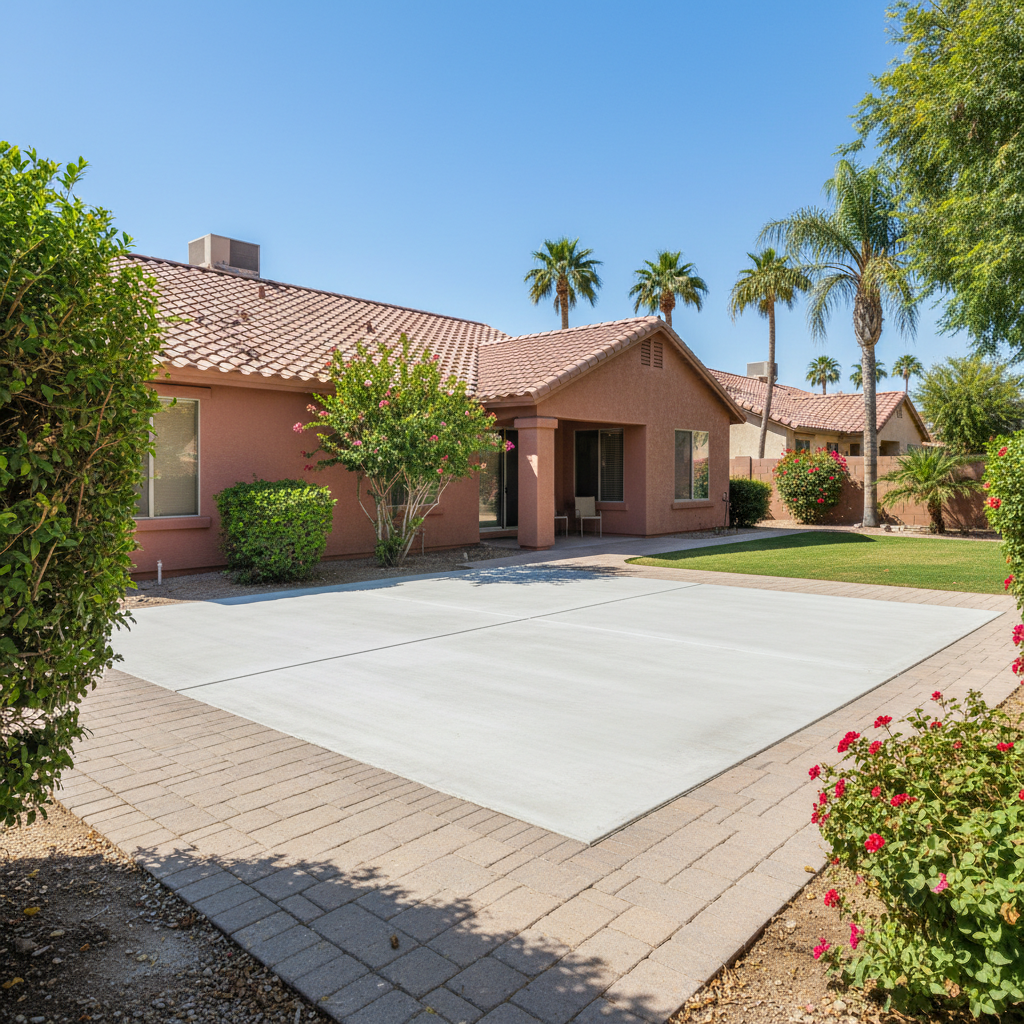
Water Damage Restoration in Phoenix, Arizona is not just about the initial cleanup. When homeowners deal with a broken pipe or a severe monsoon downpour that pushes water under your Arcadia doorway, what you do next determines whether your home stays dry or turns into a mold farm.
How to Make Flood Repairs Last in the Desert
Our dry heat changes how materials react after they get soaked. Homeowners might think everything dries out automatically when it hits 115 degrees outside, but trapped moisture behind drywall or under tile floors tells a different story. To keep restored areas intact, you have to manage your indoor humidity. Running your air conditioning is not just for comfort; it is your primary dehumidifier. Keep an eye on your HVAC filters, especially after heavy storms kick up dust and debris across the Phoenix metro area.
Your Regular Maintenance Checklist
Preventing future water headaches takes routine checks. You do not need a complicated schedule, just a few habits that fit into seasonal changes:
- Inspect your baseboards and lower walls every month for bubbling paint or soft spots.
- Clear out your roof scuppers and scupper boxes before the monsoon season hits in July.
- Check the seals around your exterior doors and windows after heavy windstorms.
- Test your main water shut-off valve so you can kill the supply in a hurry.
Warning Signs You Can Not Ignore
Phoenix homes have unique soil and foundation traits, mostly caliche and expansive clay pockets in places like Ahwatukee and parts of North Scottsdale, which shift and stress plumbing lines. When things start going south after a flood repair, your house will usually give you hints. Musty smells that do not go away after airing out the room mean moisture is lingering in the framing. Grout lines turning dark or tiles sounding hollow when you tap them usually point to subfloor rot. If your electric bill spikes for no clear reason, you might have a hidden leak behind a repaired wall cavity.
When It Is Time to Call the Pros
Some weekend DIY projects are fine, but Water Damage Restoration is not one of them once it gets into the structural framing. If you spot warped baseboards, widespread discoloration, or any sign of black mold spreading across drywall, put down the bleach. That is when you bring in a crew like Neighborly Restoration to track down the hidden moisture with thermal imaging and get industrial air movers running before the damage gets expensive.